
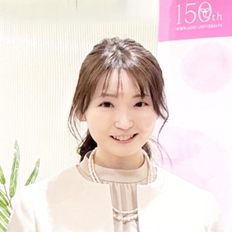
Marie Hino
Hokkaido University
Japan
Abstract Title: Self-management strategies of pregnant nurses: a qualitative study
Biography:
Marie Hino is a researcher specialising in maternal nursing and midwifery. She is also a midwife with over twelve years of practical experience. Currently, as an assistant professor in the Faculty of Health Sciences at Hokkaido University, she conducts research supporting self-management for women who continue working during pregnancy. She particularly focuses on the health of pregnant nurses routinely exposed to hazardous work, researching ways to enable them to work safely and healthily. she is also engaged in education for the training of nurses and midwives, utilising her clinical practice skills and evidence-based knowledge and techniques.
Research Interest:
Aim: The high risk of perinatal complications among pregnant nurses is a global public health concern. Appropriate self-management behaviours during pregnancy can prevent risk; however, such behaviours are difficult for pregnant nurses because of their specialized demanding work and psychosocial factors. This study aimed to explore practical self-management strategies perceived by pregnant nurses as effective for protecting their health.
Methods: A descriptive qualitative study was conducted. Twenty-one women who had worked as nurses or midwives in a hospital during pregnancy and were between 28 weeks pregnant and less than one year postpartum were recruited. Individual semi-structured interviews were conducted between January and June 2021. The data were analysed using inductive reflective thematic analysis.
Results: Self-management strategies were organized into three themes: (1) Physiological regulation, (2) Work reconfiguration, and (3) Cultivating fetus-centered belief. The participants described specific measures for physiological regulation, including building a protective baseline and anticipating, monitoring, and adjusting symptoms. Work reconfiguration included strategic work adjustment, creative work practices, mobilizing available resources, and redefining the meaning of workplace. Cultivating fetus-centered belief encompassed centering their fetus as a criterion, strengthening maternal resolve, receiving bodily signs as fetal messages, reinterpreting professional responsibility, and envisioning one’s life plan.
Conclusion: Pregnant nurses’ self-management extended beyond health behaviours and involved systematic reorganisation of daily life, work practices, and personal values to enable the continuation of work while protecting maternal and fetal health. These findings may contribute to the development of educational support and workplace policies to promote safe employment during pregnancy.