
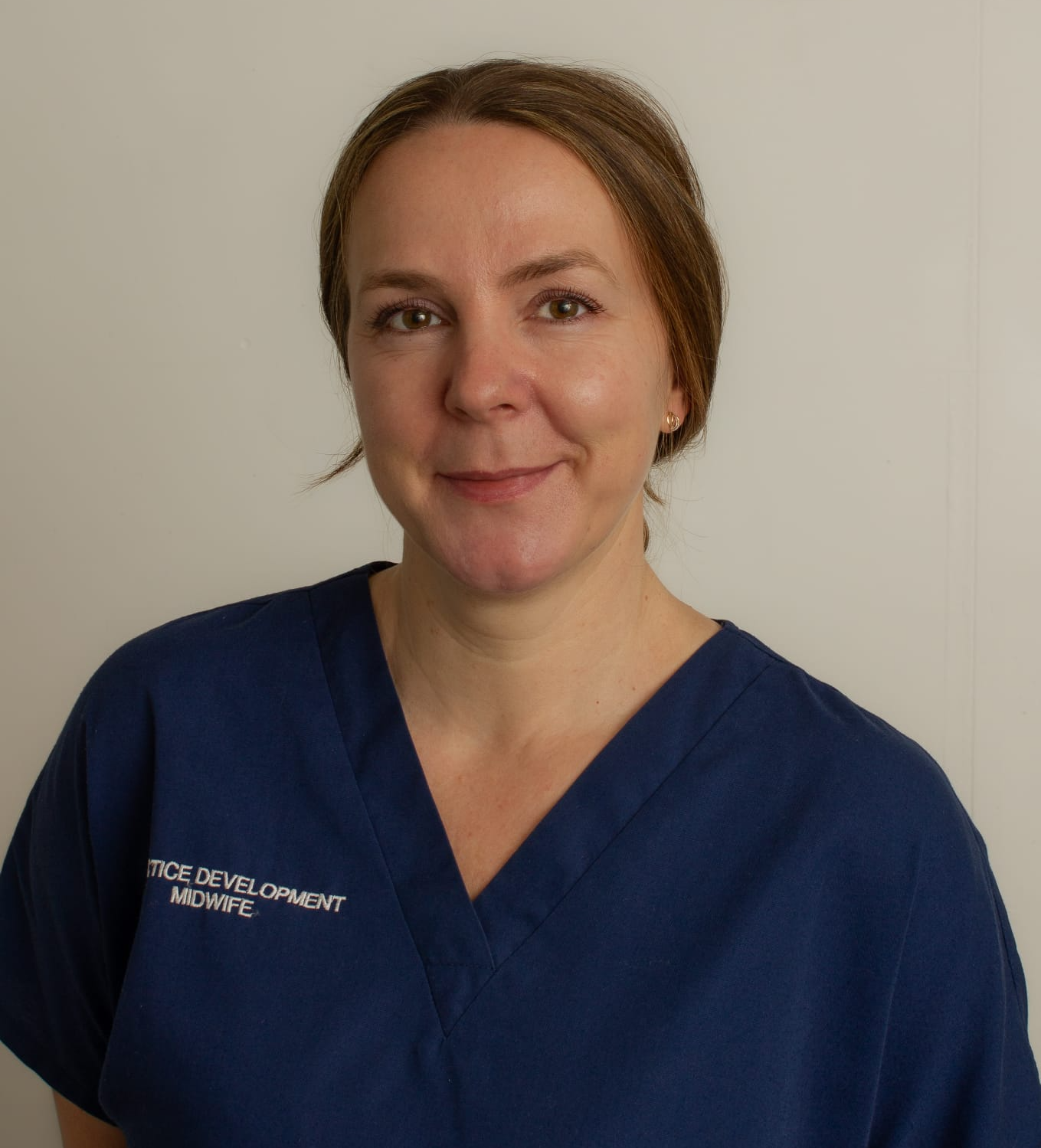
Natalie Charalambides
Chelsea & Westminster NHS Foundation Trust, United Kingdom
Abstract Title: Fetal Movement Information and Language Proficiency: A retrospective cohort study exploring fetal movement discussions and attendance in a multilingual maternity population.
Biography:
Natalie Charalambides, BSc (Hons) MSc.
Lead Midwife for Practice Development at Chelsea and Westminster Hospital NHS Foundation Trust
I am deeply committed to advancing maternal and newborn health through evidence-based, compassionate, and person-centred care worldwide. As a midwife with a strong background in leadership and practice development, my current work focuses on leading two teams of Practice Development Midwives across Chelsea and Westminster Hospital and West Middlesex Hospital.
My MSc in Maternal Global Health, further strengthens my knowledge of international maternity care systems, health inequalities, and sustainable solutions to improve maternal and neonatal outcomes worldwide. This has lead me to my research in language proficiency.
Research Interest:
Introduction
Fetal movements (FM) are an important indicator of fetal wellbeing, and any reduction or change may signal potential complications, including stillbirth. Women’s awareness and timely reporting of reduced fetal movements (RFM) can support prompt clinical intervention and potentially improve pregnancy outcomes. However, differences in health literacy, language proficiency, and access to appropriate communication may influence a woman’s ability to recognize and respond to these warning signs effectively.
Aim
This study aims to evaluate the relationship between the frequency of fetal movement advice provided to pregnant women who require an interpreter (RI) compared with women who do not require an interpreter (NRI), and their subsequent hospital attendance for reduced fetal movements. The study also explores whether fetal movement information is delivered in the woman’s preferred language.
Study Design
A retrospective cohort study was conducted at a maternity hospital in West London, recognized for its ethnically diverse population. Medical records of 3,773 women who booked and delivered at term (≥37 weeks gestation) between January 1, 2024, and May 30, 2025, were reviewed. The study compared outcomes between women requiring interpreter services and those who did not require interpreter support.
Findings
The study identified a significant association between fetal movement discussions and hospital attendance for reduced fetal movements among women who did not require interpreter services. However, this relationship was less consistent among women requiring interpreters, particularly in situations where language support services were limited or inconsistently provided.
Conclusion
The findings highlight ongoing inequalities in access to maternity information and services among women requiring interpreter support. Improving culturally appropriate communication and ensuring access to information in preferred languages may help enhance maternal awareness, promote timely healthcare seeking, and reduce disparities in maternity outcomes.